

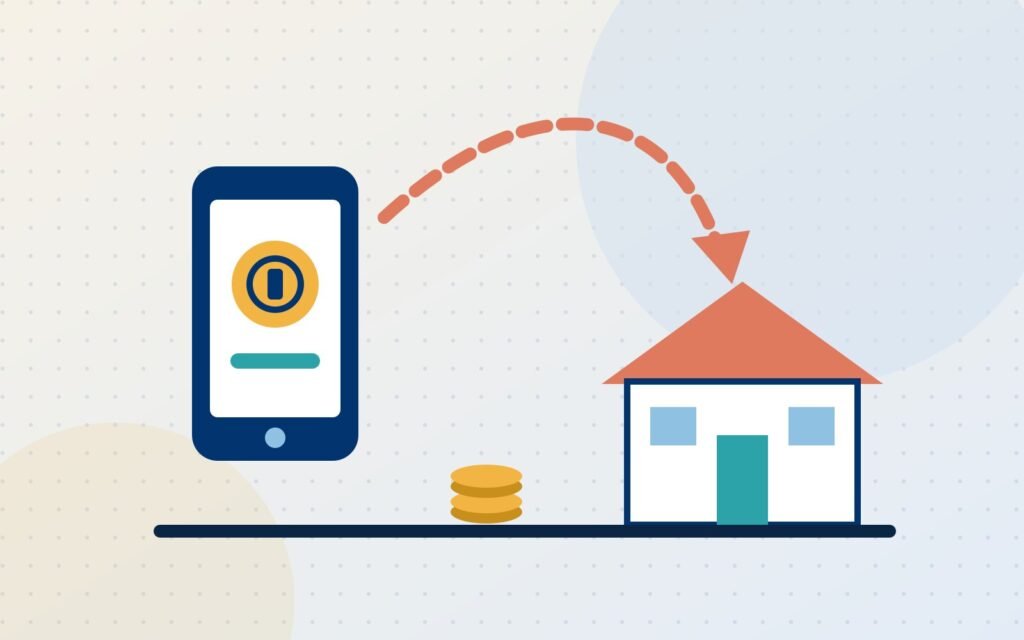
Remittances are a major source of foreign exchange and household income, but their effect on resilience depends on how they are received, saved and invested.
The paper describes a household survey design covering migrant-sending districts, with questions on remittance channels, saving behaviour, use of formal financial services, and coping strategies after income shocks.
Preliminary descriptive results indicate that households using formal channels and holding some savings report greater ability to absorb shocks, while reliance on informal lenders is associated with greater vulnerability.
The paper discusses limits of the data, including self-reported income and selection into migration, and outlines the econometric specification planned for the next draft.